
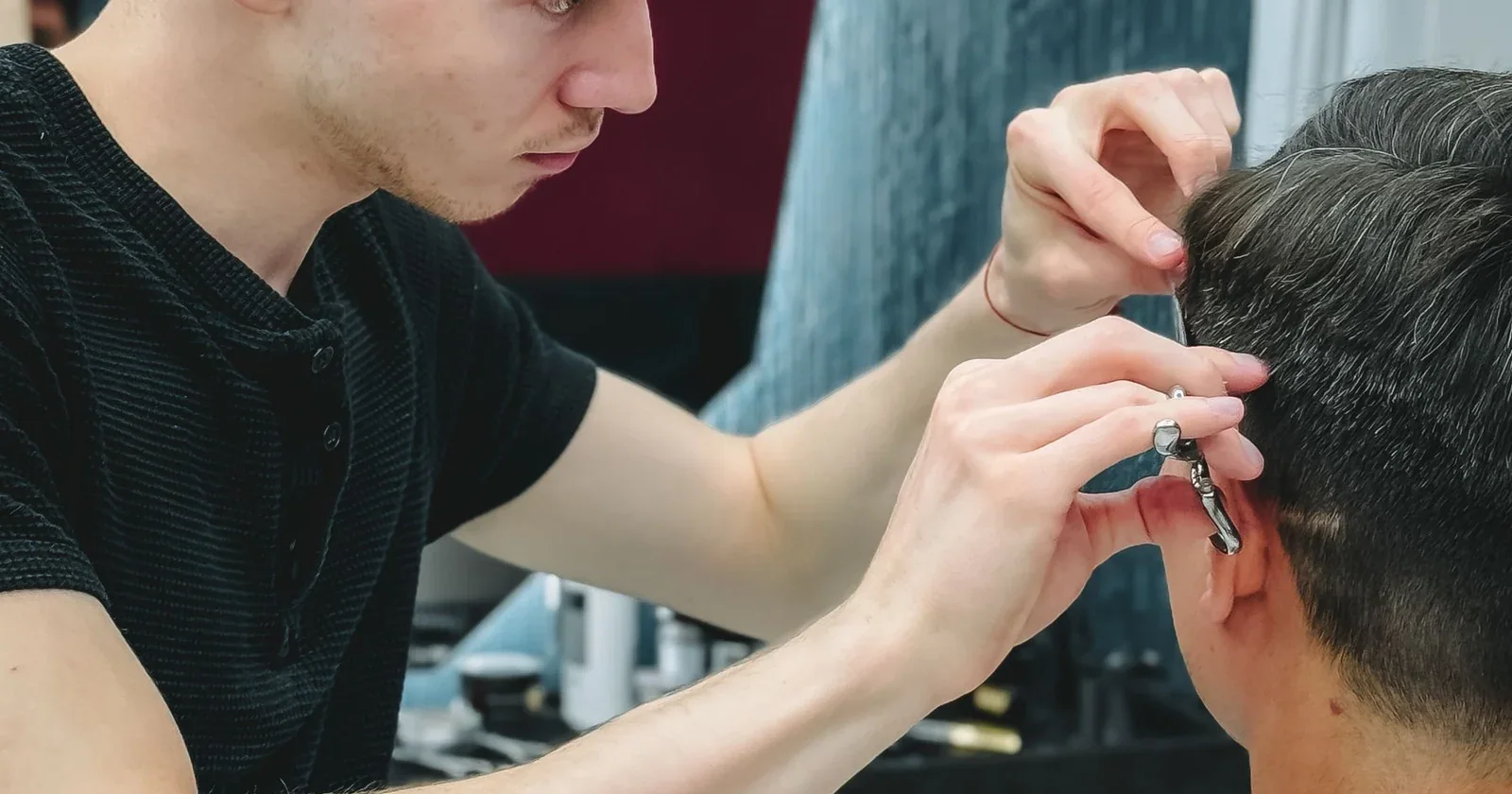
At 10:00, one barber is cutting a client who booked online, another person is seeing a man without an appointment, and the phone is ringing for a haircut and beard trim at 16:30. If everyone keeps their own list, it’s only towards the end of the day that the team discovers that two appointments are dependent on the same person or that a combination is taking longer than it should before closing. A good schedule allows hairdressers and barbers to see who is working, what they can take on, and what minutes they can offer to the next client.
Build the schedule around working hours
Start with each person's shift. Write down the start time, break time, block of duties, and the time by which the person can actually finish with the client. If the shifts overlap for only part of the day, mark that part when you plan the services that can be handed over to the other person. Don't assume that everyone will be free just because the salon is open until 20:00.
Look at a few typical days. In the morning, one person might do a quick haircut, while in the afternoon, a colleague comes in to take care of the beard and more detailed services. You should also see the difference online. The hour offered is not just a blank on the calendar. It must correspond to the right person, the service, and the time needed for the entire visit.
A Friday with two different shifts
Luke works from 9:00 to 16:00, Marko from 12:00 to 19:00. At 15:00, a client wants 30 minutes of haircut and 20 minutes of beard trimming. If Luke does both services and has the entire block free, the appointment is feasible. If only Marko does the beard, decide if Luke can start and Marko can finish. If the team works differently, offer the appointment only when one person can do everything. Then check how much time it really takes to get the chair ready for the next appointment.
Make room for walk-ins
If most of your walk-in clients occur during a certain time period, leave a designated block or section of capacity. Decide who decides when to release it for bookings if it’s not being used. The arrangement can be simple. On Saturday from 11:00 to 12:00, one person will take walk-ins while another takes pre-booked reservations. If the schedule is less busy, the shift manager can open the space for online bookings according to team rules.
Give a walk-in client a realistic answer about the wait time. First, see who is available next and whether they can perform the requested service. If someone walks in ten minutes before someone else’s reservation, a short free block can be used for a shorter job. For a longer service, they can be offered another appointment. This way, the walk-in space remains predictable for both the team and the clients with reservations.
Enter confirmed appointments in the same calendar straight away
When a person accepts an appointment over the phone or in the salon, enter the appointment before offering the block to another client. Make sure the entry is clear about the service name, duration, person, and status of the appointment. If the client says they will be confirming their arrival, specify how long you will hold the block and who will release it. This avoids the day looking full due to a series of unconfirmed appointments.
Agree on who handles last-minute changes
Agree on who has the right to reschedule someone else’s appointment and what channel the client will be notified through. If a person is late and the next appointment would start later, the team needs to know whether they can shorten the service, suggest another provider, or offer a new hour. Record the final agreement on the calendar. For the next client, it is important that the team contact them if necessary before they head to the salon.
Decide what clients can book online
For some, it is crucial to have a specific person do their hair, for others, the first barber available is fine. If you allow both options, try booking for each. Choose a service that is done by a whole team and then a service that is done by just one person. Compare whether the hours offered are in line with the shifts. For combined appointments in the test, also check the end. Starting at 17:20 is not suitable if the shift ends at 18:00, and the entire block lasts 50 minutes.
On Zemma you can check what barbershop reservations look like and an example of a reservation for hair salons. Before opening online booking, enter each person's shift and assign them the services they actually perform. Manual appointments and online reservations should be checked in the same operational schedule, including the day the colleague is absent.
Run a ten-minute weekly review
At the end of the week, select the three events that caused the most reordering. Mark whether they were due to short duration, mismatched shifts, or a location that was unintentionally open to different channels. Agree on one change for next week, such as a longer set time for the combination or a fixed walk-in window when the queue is formed.
What to monitor besides utilisation
Also track delays to the first next appointment, the number of clients manually moved, and how often the schedule has to be changed because someone got a service outside their authority. If you see a lot of small gaps at the end of the week, check to see if they can accommodate a normal haircut or if they are appearing because the schedule is broken. Some free time can be intentional and beneficial, especially when the salon wants to save space for unannounced clients.
Adjust the schedule when a team member is away
When someone cancels a shift on the same day, first close their future availability. Then sort existing bookings by whether they can be taken over by someone else. If the client has a favorite hairdresser, call them or send a clear message that offers a choice. Determine who will follow up on the response and only enter a new hour or person after agreement. Manual appointment changes should be quickly visible to the rest of the team.
How much time to leave between haircuts
One team needs a few minutes to prepare after a standard haircut anyway. Another team adds a beard trim or wash that doesn't happen every time they come in. Observe a few regular shifts and see what happens when services are back-to-back. A late start can be caused by the wrong duration, so changing the duration of the service can help. If the haircut is done on time and the space isn't ready for the next client, allow for space between appointments. Test both changes at the end of the shift.
Then create one schedule for a day with lots of bookings and another for a day with lots of unannounced clients. In both cases, indicate who has the right to open the free block and how long you’ll keep it. Once the team sees why the empty block exists, it’s easier to know whether to offer it to the person who just called.
The team's goal is to be able to answer the same question in a few seconds: who can do this service and when? When the same answer is given to the person at the front desk, the colleague behind the chair, and the client who books online, the schedule is clear enough for a real day in the salon.
For the first week, choose one complex shift that you all know well. After it's over, check how the booking worked for the last available block. If the team isn't sure who offered it or why it could be booked, correct that particular rule.